

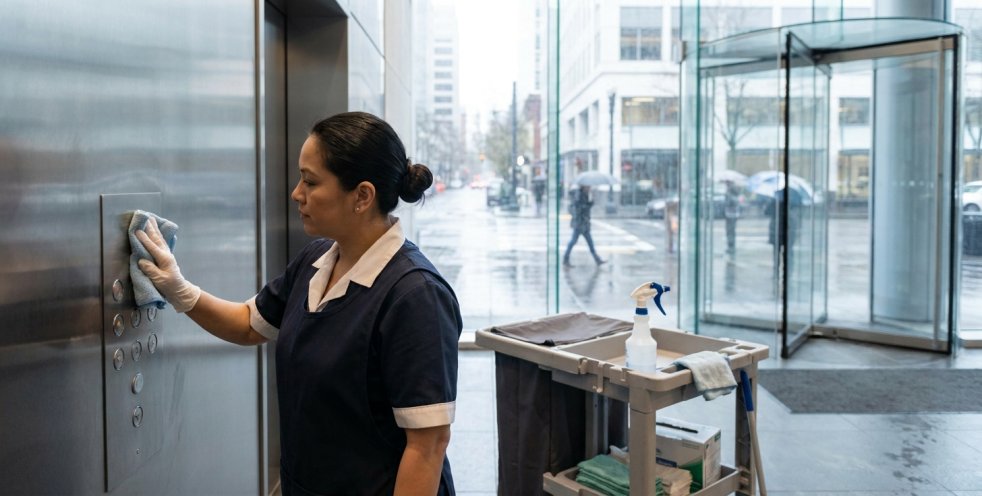
How Facility Managers Handle High-Touch Surface Protocols Year-Round
High-touch surfaces are among the most overlooked risks in any commercial facility. Door handles, elevator buttons, shared equipment, and restroom fixtures collect pathogens throughout the day, and in Portland's rainy, high-traffic environment, the challenge is constant. Facility managers who take a structured approach to these surfaces protect their people, reduce liability, and maintain a healthier workspace all year long.
Here is what an effective high-touch surface protocol actually looks like in practice.
What Counts as a High-Touch Surface
Not every surface carries the same risk. High-touch surfaces are those contacted repeatedly by multiple people throughout the day.
- Door handles, push plates, and kick plates
- Light switches and electrical panel covers
- Elevator buttons and handrails
- Shared keyboards, phones, and copier panels
- Restroom fixtures including faucets, flush handles, and dispensers
- Break room appliance handles and countertops
- Reception desks and sign-in surfaces
In Portland office buildings, retail spaces, and medical facilities, foot traffic from wet weather also means floors and entryway surfaces transfer more contaminants indoors than in drier climates.
Why Year-Round Protocols Matter in Portland
Portland's climate creates specific cleaning challenges that go beyond flu season. The city sees rain and overcast conditions for much of the year, which means damp entryways, increased mold risk, and a longer respiratory illness season than many other regions.
Summer months bring outdoor events, increased foot traffic, and allergens. Winter brings cold and flu spikes. A protocol that only ramps up in January misses most of the risk window.
- Fall and winter bring cold, flu, and RSV peaks
- Spring increases pollen and allergen transfer on hands and surfaces
- Summer heat accelerates bacterial growth on surfaces that are not cleaned frequently
- Rainy seasons increase moisture-related contamination at entry points
Consistent protocols, adjusted by season, are the only reliable approach.
Warning Signs Your Current Protocol Is Falling Short
Many facilities have commercial cleaning schedules on paper that do not reflect what is actually happening on the floor. Watch for these indicators.
- Visible smudges or residue on door handles and push plates
- Restroom fixtures that feel sticky or look discolored between visits
- Employee complaints about illness frequency or surface cleanliness
- No documented cleaning log or verification system in place
- Cleaning products that are not rated for disinfection, only general cleaning
- High-touch areas cleaned only during nightly service, not throughout the day
If any of these sound familiar, your protocol likely has gaps that a structured commercial cleaning program can address.
Core Elements of an Effective High-Touch Protocol
Strong protocols are built on frequency, product selection, documentation, and accountability. Here is how experienced facility managers structure their approach.
Frequency and Scheduling
High-touch surfaces in busy facilities should be disinfected at least twice daily, with restrooms and break rooms addressed more often. During illness outbreaks or high-traffic events, that frequency should increase.
Product Selection
Not all cleaning products disinfect. Facility managers should ensure their cleaning team uses EPA-registered disinfectants with appropriate dwell times. The product needs to stay wet on the surface long enough to kill pathogens, which is a step many rushed cleaning crews skip.
Documentation and Verification
Cleaning logs, digital check-in systems, and periodic quality audits hold teams accountable. Without documentation, there is no way to verify that high-touch areas were actually addressed.
Risks of an Inconsistent Approach
Skipping or short cutting high-touch surface protocols creates real consequences for businesses.
- Increased employee sick days and reduced productivity
- Higher risk of illness spreading through an entire department
- Potential liability if clients, customers, or visitors become ill on your premises
- Damage to your facility's reputation, especially in client-facing environments
For Portland businesses in healthcare, food service, or professional services, the stakes are even higher. Regulatory standards and client expectations both demand consistent performance.
How a Commercial Cleaning Partner Strengthens Your Protocol
Facility managers carry a lot of responsibility. Partnering with a reliable commercial cleaning contractor takes the execution pressure off your internal team and ensures protocols are followed consistently.
A qualified commercial cleaning company will assess your facility's specific high-touch surface map, recommend appropriate disinfection frequencies, supply trained staff and compliant products, and provide documentation you can reference for compliance or audits.
System4 of Oregon works with Portland-area businesses to build customized cleaning programs that account for your facility type, occupancy levels, and seasonal risk factors. The goal is not just a clean-looking space, it is a safer one.
What Facility Managers Should Do Next
If you are ready to tighten your high-touch surface protocols, start with these practical steps.
- Walk your facility and map every high-touch surface by zone
- Review your current cleaning schedule and identify gaps in frequency
- Confirm your cleaning products are EPA-registered disinfectants with verified dwell times
- Implement a simple cleaning log for accountability
- Schedule a professional facility assessment to identify areas your team may be missing
Small adjustments to your protocol can make a measurable difference in occupant health and facility hygiene. The key is consistency, not just effort during cold and flu season.
Talk to a Portland Commercial Cleaning Expert
High-touch surface management is not a one-time task. It is an ongoing commitment that requires the right systems, products, and people. System4 of Oregon helps Portland facilities stay ahead of contamination risks with structured, documented cleaning programs designed for year-round performance.
Call (971) 606-5372 today to schedule a facility assessment and find out how we can strengthen your high-touch surface protocol from the ground up.


